
Custom Orthotics in North York: How They Help, What They Treat, and When to Book a Foot Assessment
Custom Orthotics in North York: How They Help, What They Treat, and When to Book a Foot Assessment
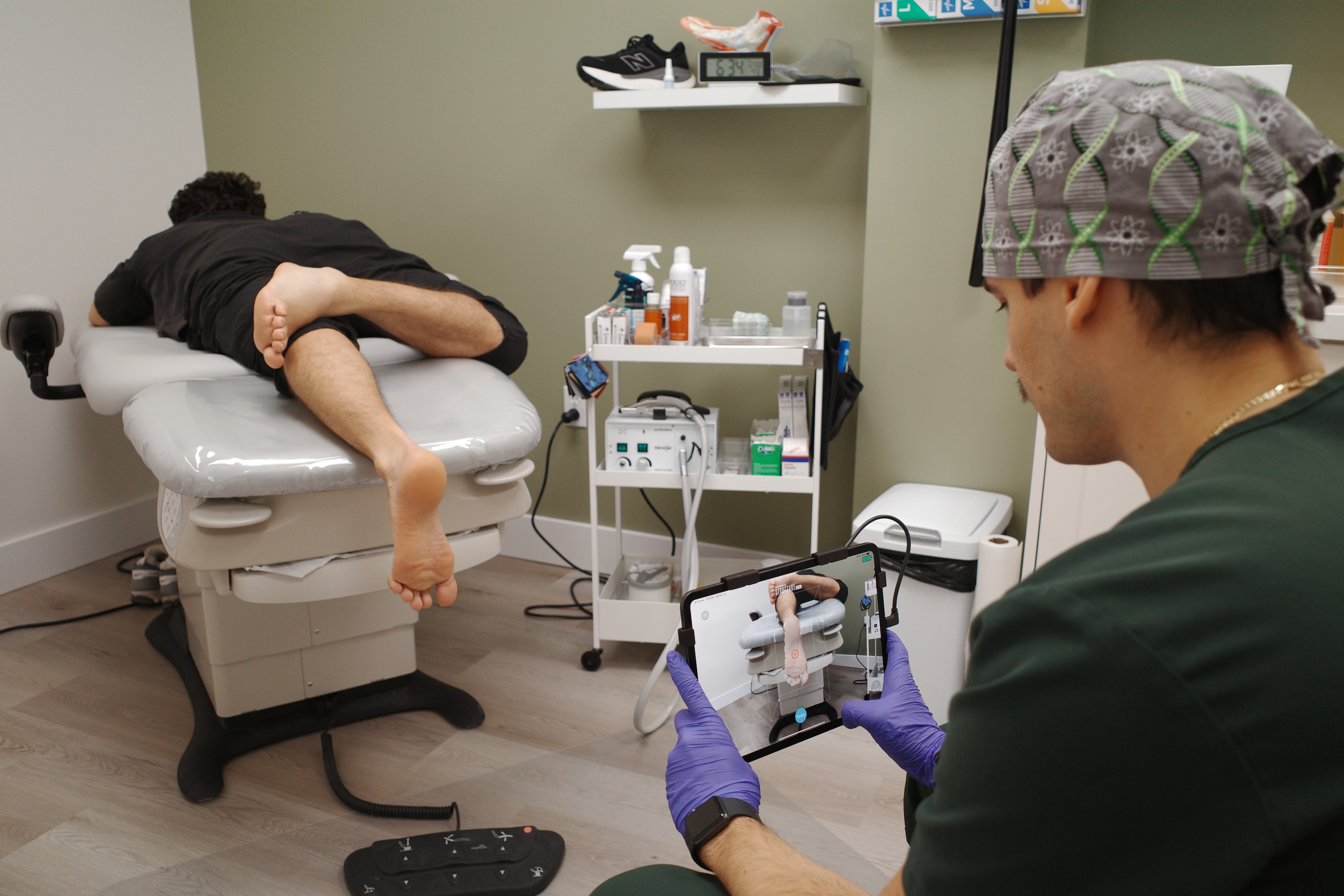
If you live or work in North York, Don Mills, Don Valley Village, Parkwoods, Scarborough, or East York and you've been dealing with persistent foot pain, heel discomfort, or aching arches, custom orthotics may be worth exploring. At Donwood Foot and Orthotic Clinic — conveniently located at 51 Underhill Drive in North York — our chiropodists offer thorough foot assessments and custom orthotic therapy tailored to your specific needs, foot structure, and lifestyle.
This guide explains what custom orthotics are, which conditions they may help manage, how the process works, and how to determine whether booking a foot assessment is the right next step for you.
Table of Contents
What Are Custom Orthotics?
How Custom Orthotics Can Help
Conditions Custom Orthotics May Help Manage
Custom Orthotics for Plantar Fasciitis and Heel Pain
Custom Orthotics for Flat Feet, High Arches, and Gait Issues
Custom Orthotics for Diabetic Foot Care and Pressure Management
The Custom Orthotics Process at Donwood Foot and Orthotic Clinic
Custom Orthotics vs. Store-Bought Insoles
When to Book a Foot Assessment
Why Choose a Local North York Foot Clinic
Frequently Asked Questions
What Are Custom Orthotics?
Custom orthotics are prescription foot supports that are individually designed and fabricated based on a clinical assessment of your foot structure, biomechanics, gait, and pressure distribution. Unlike store-bought insoles, which are mass-produced in standard shapes and densities, custom orthotics are made specifically for your feet.
They are worn inside your shoes and are designed to support, align, and accommodate the unique mechanics of how your foot moves. Depending on the assessment findings and your presenting concerns, a chiropodist may recommend functional orthotics — which control abnormal motion — or accommodative orthotics, which provide cushioning and pressure redistribution.
Custom foot orthotics are one of the most commonly prescribed conservative treatments for a wide range of foot and lower limb conditions. When paired with appropriate footwear and, where relevant, other therapies, they can play a meaningful role in managing day-to-day discomfort.
→ Learn more on our Custom Orthotics page.
How Custom Orthotics Can Help
Custom orthotics are not a one-size-fits-all solution — and that's precisely the point. They are designed around the findings from your specific assessment, which may include:
Foot structure and alignment — the shape of your arches, heel, and forefoot
Gait analysis — how your foot strikes and rolls through each step
Pressure mapping — identifying areas of elevated load or stress
Footwear assessment — understanding what types of shoes you wear regularly
Lifestyle and activity level — whether you're on your feet all day at work, participating in sport, or managing a chronic health condition
When these factors are assessed together, the orthotics can be designed to address specific biomechanical contributors to your discomfort — rather than simply adding padding underfoot.
Custom orthotics may help by:
Redistributing pressure away from painful or vulnerable areas
Providing arch support tailored to your foot type
Improving alignment through the foot, ankle, knee, and hip
Reducing abnormal motion that contributes to strain
Accommodating bony prominences, pressure points, or areas of skin breakdown
Conditions Custom Orthotics May Help Manage
Custom orthotics are used by chiropodists across a broad range of presentations. The following conditions are commonly assessed and addressed through orthotic therapy. Note that a professional assessment is always needed to determine whether orthotics are appropriate for your specific situation.
Plantar fasciitis — inflammation of the connective tissue along the sole of the foot
Heel pain and heel spurs — often associated with plantar fascia strain
Arch pain — discomfort along the medial or lateral arch
Flat feet (pes planus) — reduced or absent arch height affecting alignment
High arches (pes cavus) — rigid foot structure with reduced shock absorption
Bunions (hallux valgus) — bony prominence at the base of the big toe, often aggravated by pressure
Metatarsalgia — pain in the ball of the foot
Knee, hip, or lower back discomfort — that may be related to altered foot mechanics
Diabetic pressure points — areas of elevated risk for skin breakdown or ulceration
Walking or standing discomfort — particularly in those who are on their feet for extended periods
Sports-related foot strain — including overuse injuries in runners, cyclists, and other active individuals
Work-related foot fatigue — common in trades, healthcare, retail, and other occupations requiring prolonged standing
→ See also: Corns and Calluses | Ingrown Toenails | Shockwave Therapy
Custom Orthotics for Plantar Fasciitis and Heel Pain
Plantar fasciitis is one of the most common reasons patients seek a foot assessment in North York and across Toronto. It typically presents as sharp pain in the heel — particularly with the first steps of the morning or after periods of rest — and is caused by strain or micro-tearing of the plantar fascia, the band of tissue running along the sole of the foot.
Custom orthotics designed for plantar fasciitis are commonly used to help offload the heel, support the arch, and reduce the mechanical stress placed on the fascia with each step. A chiropodist will assess the degree of inflammation, your gait pattern, and the contributing factors before recommending an appropriate orthotic design.
Heel pain more broadly — including conditions related to heel spurs — may also be addressed through a combination of orthotic support, footwear guidance, and, in some cases, adjunctive therapies such as shockwave treatment.
→ Learn more: Plantar Fasciitis | Heel Pain | Shockwave Therapy
Custom Orthotics for Flat Feet, High Arches, and Gait Issues
Foot posture — including flat feet and high arches — is one of the most common reasons patients are referred for or seek out a gait assessment in North York.
Flat feet (pes planus) can lead to overpronation, where the ankle rolls inward excessively during walking or running. This altered mechanics can transfer stress up the kinetic chain, contributing to discomfort in the knee, hip, or lower back in addition to the foot itself. Custom orthotics for flat feet are typically designed to provide medial arch support and control excessive inward motion.
High arches (pes cavus) create the opposite pattern: an underpronating, rigid foot that doesn't absorb shock as effectively. Orthotic therapy for high arches often focuses on cushioning, accommodating the arch, and redistributing plantar pressure.
A gait assessment at Donwood Foot and Orthotic Clinic can help identify how your foot moves during walking and what mechanical patterns may be contributing to your discomfort. This assessment forms the foundation of any custom orthotic prescription.
→ Book a Foot Assessment to have your gait and arch mechanics evaluated.
Custom Orthotics for Diabetic Foot Care and Pressure Management
For patients living with diabetes, foot care requires particular attention. Diabetes can affect circulation and sensation in the feet, making it important to identify and manage areas of elevated pressure before they become a more serious concern.
Custom orthotics for diabetic patients are often accommodative in nature — designed to redistribute pressure, reduce shear forces, and protect areas that may be vulnerable due to reduced sensation or circulation. They are typically paired with appropriate diabetic footwear and regular professional foot care.
Donwood Foot and Orthotic Clinic provides diabetic foot care as part of its comprehensive chiropody services. If you have diabetes and are experiencing any changes in sensation, skin condition, or foot shape, an assessment with a chiropodist is an important step.
→ Learn more about Diabetic Foot Care at our North York clinic.
The Custom Orthotics Process at Donwood Foot and Orthotic Clinic
If you're wondering what to expect when you come in for orthotics in North York, here's a general overview of what the process typically looks like at Donwood Foot and Orthotic Clinic.
1. Initial Foot Assessment
Your chiropodist will take a detailed health history and assess your presenting concerns. This includes a review of any relevant medical conditions, medications, and prior treatment. → Foot Assessment
2. Biomechanical and Gait Assessment
Your chiropodist will assess your foot structure, arch type, joint range of motion, and walking pattern. This may include observing how you walk and evaluating where pressure is concentrated during gait.
3. Foot Impression or Scan
A cast, foam impression, or digital scan of your feet is taken to capture the three-dimensional shape of your foot in a controlled position. This forms the basis of your custom orthotic prescription.
4. Orthotic Prescription and Fabrication
Based on the assessment findings, your chiropodist will design a prescription that addresses your specific biomechanical needs. Your orthotics are then fabricated by a specialist lab using materials appropriate to your foot type, footwear, and activity level.
5. Fitting and Follow-Up
When your orthotics are ready, you'll return for a fitting appointment. Your chiropodist will ensure they sit correctly in your footwear and provide guidance on how to break them in gradually. Follow-up appointments can address any adjustments needed.
Custom Orthotics vs. Store-Bought Insoles
Many patients ask whether they really need custom orthotics, or whether an over-the-counter insole from a pharmacy or shoe store will do. Here's how the two compare:
Feature | Custom Orthotics | Store-Bought Insoles |
|---|---|---|
Design basis | Based on clinical assessment and your specific foot shape | Standardized — one design for a range of foot types |
Materials | Selected based on your activity, footwear, and biomechanics | Pre-selected; limited variety |
Prescription | Prescribed by a chiropodist after gait and structural assessment | No professional assessment required |
Durability | Typically 2–5 years with proper care | Usually 6–12 months |
Conditions addressed | Can target specific biomechanical contributors to pain | Provides general cushioning and mild support |
Cost | Higher upfront; often partially covered by extended health benefits | Lower upfront cost; rarely covered |
Adjustability | Can be modified based on follow-up assessment | Not adjustable |
Store-bought insoles may provide temporary relief for general foot fatigue, but they are not designed to address specific foot mechanics or clinical conditions. If you have persistent foot pain, a structural concern, or a medical condition such as diabetes, a professional assessment is recommended before purchasing an insole.
When to Book a Foot Assessment
You don't need to be in severe pain to benefit from a foot assessment. The following symptoms may indicate it's worth speaking with a chiropodist:
Pain in your heels first thing in the morning or after periods of rest
Aching or tired feet after standing, walking, or exercising
Discomfort in the ball of the foot or along the arch
Knee, hip, or lower back pain that may be related to how you walk
Noticeable changes in the shape of your feet (such as progressive flatfoot or bunion formation)
Calluses or skin changes in areas of elevated pressure
Difficulty finding comfortable footwear
Discomfort that limits your daily activities or exercise
A diagnosis of diabetes with any changes in foot sensation or skin health
Pain related to a physically demanding job or sport
If any of these describe your experience, a foot assessment at Donwood Foot and Orthotic Clinic can help determine whether custom orthotics — or another form of chiropody care — may be appropriate for you.
Why Choose a Local North York Foot Clinic
Finding a foot clinic near you matters, particularly for ongoing care. Donwood Foot and Orthotic Clinic is located at 51 Underhill Drive, Unit 4, North York — easily accessible from Don Mills, Don Valley Village, Parkwoods, Victoria Park, Bayview Village, and surrounding neighbourhoods. Patients from Scarborough, East York, and central Toronto also regularly visit our clinic.
Our chiropodists are registered foot care professionals with training in biomechanics, orthotic therapy, diabetic foot care, and general chiropody services including nail care, corns, calluses, and warts.
When you search for custom orthotics near me or a chiropodist near me in North York or Don Mills, we aim to be a trusted local option — not because we're the only clinic in Toronto, but because we work hard to provide thorough, patient-centred care for the community we're part of.
→ Learn more About Donwood Foot and Orthotic Clinic
Frequently Asked Questions
Are custom orthotics worth it?
For many patients, yes — particularly those with persistent foot pain, biomechanical concerns, or conditions like diabetes that affect foot health. Whether custom orthotics are appropriate for you depends on a clinical assessment. A chiropodist can evaluate your foot structure, gait, and symptoms to determine whether orthotics are likely to help in your case.
Do I need custom orthotics or store-bought insoles?
It depends on your situation. Store-bought insoles may offer general cushioning for mild fatigue, but they are not designed around your specific foot shape or mechanics. If you have persistent pain, a structural foot concern, or a medical condition affecting your feet, custom orthotics — prescribed following a professional assessment — are worth exploring.
Can custom orthotics help plantar fasciitis?
Custom orthotics are commonly used as part of the management of plantar fasciitis. They may help by supporting the arch and reducing strain on the plantar fascia during walking. An assessment with a chiropodist can help determine whether orthotics are appropriate for your presentation and how they might be combined with other treatments. → Plantar Fasciitis
Can orthotics help heel pain?
Orthotics are frequently used to help manage heel pain, including pain related to plantar fasciitis and heel spurs. They can help redistribute pressure and reduce mechanical stress on the heel with each step. A foot assessment can identify the cause of your heel pain and the most appropriate course of action. → Heel Pain
How long do custom orthotics last?
Custom orthotics are typically designed to last between two and five years with regular use and proper care. Durability depends on the materials used, how frequently they're worn, and the activities you engage in. Your chiropodist can advise on when a replacement assessment may be appropriate.
Are custom orthotics covered by insurance?
Many extended health benefit plans in Ontario include coverage for custom orthotics — often between $200 and $500 per benefit year, and sometimes more. Coverage varies by plan. Donwood Foot and Orthotic Clinic can provide the documentation needed to submit a claim to your insurer. It's always a good idea to check your specific plan details before your appointment.
Do I need a prescription for custom orthotics?
In Ontario, custom orthotics must be prescribed by a regulated health professional. Chiropodists are among the regulated professionals authorized to assess, prescribe, and fit custom orthotics. You do not need a doctor's referral to book an assessment at a chiropody clinic, though some insurance plans may require a physician's referral for reimbursement purposes — check your policy.
What should I bring to my orthotics appointment?
Bring the footwear you wear most regularly — including work shoes, athletic shoes, and casual shoes. If you have any previous orthotics, bring those as well. Wearing comfortable clothing that allows easy access to your feet and lower legs is helpful. Any relevant medical history, imaging (such as X-rays), or referral documentation should also be brought along.
Can custom orthotics help if I stand all day at work?
Yes — occupational foot strain is a common reason patients seek orthotics. Standing on hard surfaces for extended periods can contribute to heel pain, arch fatigue, and metatarsalgia. Custom orthotics designed for your work footwear and the demands of your job may help reduce strain and improve comfort during your workday.
Where can I get custom orthotics in North York?
Donwood Foot and Orthotic Clinic is a chiropody clinic located at 51 Underhill Drive, Unit 4, North York, ON, serving patients from Don Mills, Don Valley Village, Parkwoods, Scarborough, East York, Bayview Village, and the broader Toronto area. Call (416) 445-1414 or visit https://donwoodfootclinic.janeapp.com/ to book a foot assessment.
If you live or work in North York, Don Mills, Don Valley Village, Parkwoods, Scarborough, or East York and you've been dealing with persistent foot pain, heel discomfort, or aching arches, custom orthotics may be worth exploring. At Donwood Foot and Orthotic Clinic — conveniently located at 51 Underhill Drive in North York — our chiropodists offer thorough foot assessments and custom orthotic therapy tailored to your specific needs, foot structure, and lifestyle.
This guide explains what custom orthotics are, which conditions they may help manage, how the process works, and how to determine whether booking a foot assessment is the right next step for you.
Table of Contents
What Are Custom Orthotics?
How Custom Orthotics Can Help
Conditions Custom Orthotics May Help Manage
Custom Orthotics for Plantar Fasciitis and Heel Pain
Custom Orthotics for Flat Feet, High Arches, and Gait Issues
Custom Orthotics for Diabetic Foot Care and Pressure Management
The Custom Orthotics Process at Donwood Foot and Orthotic Clinic
Custom Orthotics vs. Store-Bought Insoles
When to Book a Foot Assessment
Why Choose a Local North York Foot Clinic
Frequently Asked Questions
What Are Custom Orthotics?
Custom orthotics are prescription foot supports that are individually designed and fabricated based on a clinical assessment of your foot structure, biomechanics, gait, and pressure distribution. Unlike store-bought insoles, which are mass-produced in standard shapes and densities, custom orthotics are made specifically for your feet.
They are worn inside your shoes and are designed to support, align, and accommodate the unique mechanics of how your foot moves. Depending on the assessment findings and your presenting concerns, a chiropodist may recommend functional orthotics — which control abnormal motion — or accommodative orthotics, which provide cushioning and pressure redistribution.
Custom foot orthotics are one of the most commonly prescribed conservative treatments for a wide range of foot and lower limb conditions. When paired with appropriate footwear and, where relevant, other therapies, they can play a meaningful role in managing day-to-day discomfort.
→ Learn more on our Custom Orthotics page.
How Custom Orthotics Can Help
Custom orthotics are not a one-size-fits-all solution — and that's precisely the point. They are designed around the findings from your specific assessment, which may include:
Foot structure and alignment — the shape of your arches, heel, and forefoot
Gait analysis — how your foot strikes and rolls through each step
Pressure mapping — identifying areas of elevated load or stress
Footwear assessment — understanding what types of shoes you wear regularly
Lifestyle and activity level — whether you're on your feet all day at work, participating in sport, or managing a chronic health condition
When these factors are assessed together, the orthotics can be designed to address specific biomechanical contributors to your discomfort — rather than simply adding padding underfoot.
Custom orthotics may help by:
Redistributing pressure away from painful or vulnerable areas
Providing arch support tailored to your foot type
Improving alignment through the foot, ankle, knee, and hip
Reducing abnormal motion that contributes to strain
Accommodating bony prominences, pressure points, or areas of skin breakdown
Conditions Custom Orthotics May Help Manage
Custom orthotics are used by chiropodists across a broad range of presentations. The following conditions are commonly assessed and addressed through orthotic therapy. Note that a professional assessment is always needed to determine whether orthotics are appropriate for your specific situation.
Plantar fasciitis — inflammation of the connective tissue along the sole of the foot
Heel pain and heel spurs — often associated with plantar fascia strain
Arch pain — discomfort along the medial or lateral arch
Flat feet (pes planus) — reduced or absent arch height affecting alignment
High arches (pes cavus) — rigid foot structure with reduced shock absorption
Bunions (hallux valgus) — bony prominence at the base of the big toe, often aggravated by pressure
Metatarsalgia — pain in the ball of the foot
Knee, hip, or lower back discomfort — that may be related to altered foot mechanics
Diabetic pressure points — areas of elevated risk for skin breakdown or ulceration
Walking or standing discomfort — particularly in those who are on their feet for extended periods
Sports-related foot strain — including overuse injuries in runners, cyclists, and other active individuals
Work-related foot fatigue — common in trades, healthcare, retail, and other occupations requiring prolonged standing
→ See also: Corns and Calluses | Ingrown Toenails | Shockwave Therapy
Custom Orthotics for Plantar Fasciitis and Heel Pain
Plantar fasciitis is one of the most common reasons patients seek a foot assessment in North York and across Toronto. It typically presents as sharp pain in the heel — particularly with the first steps of the morning or after periods of rest — and is caused by strain or micro-tearing of the plantar fascia, the band of tissue running along the sole of the foot.
Custom orthotics designed for plantar fasciitis are commonly used to help offload the heel, support the arch, and reduce the mechanical stress placed on the fascia with each step. A chiropodist will assess the degree of inflammation, your gait pattern, and the contributing factors before recommending an appropriate orthotic design.
Heel pain more broadly — including conditions related to heel spurs — may also be addressed through a combination of orthotic support, footwear guidance, and, in some cases, adjunctive therapies such as shockwave treatment.
→ Learn more: Plantar Fasciitis | Heel Pain | Shockwave Therapy
Custom Orthotics for Flat Feet, High Arches, and Gait Issues
Foot posture — including flat feet and high arches — is one of the most common reasons patients are referred for or seek out a gait assessment in North York.
Flat feet (pes planus) can lead to overpronation, where the ankle rolls inward excessively during walking or running. This altered mechanics can transfer stress up the kinetic chain, contributing to discomfort in the knee, hip, or lower back in addition to the foot itself. Custom orthotics for flat feet are typically designed to provide medial arch support and control excessive inward motion.
High arches (pes cavus) create the opposite pattern: an underpronating, rigid foot that doesn't absorb shock as effectively. Orthotic therapy for high arches often focuses on cushioning, accommodating the arch, and redistributing plantar pressure.
A gait assessment at Donwood Foot and Orthotic Clinic can help identify how your foot moves during walking and what mechanical patterns may be contributing to your discomfort. This assessment forms the foundation of any custom orthotic prescription.
→ Book a Foot Assessment to have your gait and arch mechanics evaluated.
Custom Orthotics for Diabetic Foot Care and Pressure Management
For patients living with diabetes, foot care requires particular attention. Diabetes can affect circulation and sensation in the feet, making it important to identify and manage areas of elevated pressure before they become a more serious concern.
Custom orthotics for diabetic patients are often accommodative in nature — designed to redistribute pressure, reduce shear forces, and protect areas that may be vulnerable due to reduced sensation or circulation. They are typically paired with appropriate diabetic footwear and regular professional foot care.
Donwood Foot and Orthotic Clinic provides diabetic foot care as part of its comprehensive chiropody services. If you have diabetes and are experiencing any changes in sensation, skin condition, or foot shape, an assessment with a chiropodist is an important step.
→ Learn more about Diabetic Foot Care at our North York clinic.
The Custom Orthotics Process at Donwood Foot and Orthotic Clinic
If you're wondering what to expect when you come in for orthotics in North York, here's a general overview of what the process typically looks like at Donwood Foot and Orthotic Clinic.
1. Initial Foot Assessment
Your chiropodist will take a detailed health history and assess your presenting concerns. This includes a review of any relevant medical conditions, medications, and prior treatment. → Foot Assessment
2. Biomechanical and Gait Assessment
Your chiropodist will assess your foot structure, arch type, joint range of motion, and walking pattern. This may include observing how you walk and evaluating where pressure is concentrated during gait.
3. Foot Impression or Scan
A cast, foam impression, or digital scan of your feet is taken to capture the three-dimensional shape of your foot in a controlled position. This forms the basis of your custom orthotic prescription.
4. Orthotic Prescription and Fabrication
Based on the assessment findings, your chiropodist will design a prescription that addresses your specific biomechanical needs. Your orthotics are then fabricated by a specialist lab using materials appropriate to your foot type, footwear, and activity level.
5. Fitting and Follow-Up
When your orthotics are ready, you'll return for a fitting appointment. Your chiropodist will ensure they sit correctly in your footwear and provide guidance on how to break them in gradually. Follow-up appointments can address any adjustments needed.
Custom Orthotics vs. Store-Bought Insoles
Many patients ask whether they really need custom orthotics, or whether an over-the-counter insole from a pharmacy or shoe store will do. Here's how the two compare:
Feature | Custom Orthotics | Store-Bought Insoles |
|---|---|---|
Design basis | Based on clinical assessment and your specific foot shape | Standardized — one design for a range of foot types |
Materials | Selected based on your activity, footwear, and biomechanics | Pre-selected; limited variety |
Prescription | Prescribed by a chiropodist after gait and structural assessment | No professional assessment required |
Durability | Typically 2–5 years with proper care | Usually 6–12 months |
Conditions addressed | Can target specific biomechanical contributors to pain | Provides general cushioning and mild support |
Cost | Higher upfront; often partially covered by extended health benefits | Lower upfront cost; rarely covered |
Adjustability | Can be modified based on follow-up assessment | Not adjustable |
Store-bought insoles may provide temporary relief for general foot fatigue, but they are not designed to address specific foot mechanics or clinical conditions. If you have persistent foot pain, a structural concern, or a medical condition such as diabetes, a professional assessment is recommended before purchasing an insole.
When to Book a Foot Assessment
You don't need to be in severe pain to benefit from a foot assessment. The following symptoms may indicate it's worth speaking with a chiropodist:
Pain in your heels first thing in the morning or after periods of rest
Aching or tired feet after standing, walking, or exercising
Discomfort in the ball of the foot or along the arch
Knee, hip, or lower back pain that may be related to how you walk
Noticeable changes in the shape of your feet (such as progressive flatfoot or bunion formation)
Calluses or skin changes in areas of elevated pressure
Difficulty finding comfortable footwear
Discomfort that limits your daily activities or exercise
A diagnosis of diabetes with any changes in foot sensation or skin health
Pain related to a physically demanding job or sport
If any of these describe your experience, a foot assessment at Donwood Foot and Orthotic Clinic can help determine whether custom orthotics — or another form of chiropody care — may be appropriate for you.
Why Choose a Local North York Foot Clinic
Finding a foot clinic near you matters, particularly for ongoing care. Donwood Foot and Orthotic Clinic is located at 51 Underhill Drive, Unit 4, North York — easily accessible from Don Mills, Don Valley Village, Parkwoods, Victoria Park, Bayview Village, and surrounding neighbourhoods. Patients from Scarborough, East York, and central Toronto also regularly visit our clinic.
Our chiropodists are registered foot care professionals with training in biomechanics, orthotic therapy, diabetic foot care, and general chiropody services including nail care, corns, calluses, and warts.
When you search for custom orthotics near me or a chiropodist near me in North York or Don Mills, we aim to be a trusted local option — not because we're the only clinic in Toronto, but because we work hard to provide thorough, patient-centred care for the community we're part of.
→ Learn more About Donwood Foot and Orthotic Clinic
Frequently Asked Questions
Are custom orthotics worth it?
For many patients, yes — particularly those with persistent foot pain, biomechanical concerns, or conditions like diabetes that affect foot health. Whether custom orthotics are appropriate for you depends on a clinical assessment. A chiropodist can evaluate your foot structure, gait, and symptoms to determine whether orthotics are likely to help in your case.
Do I need custom orthotics or store-bought insoles?
It depends on your situation. Store-bought insoles may offer general cushioning for mild fatigue, but they are not designed around your specific foot shape or mechanics. If you have persistent pain, a structural foot concern, or a medical condition affecting your feet, custom orthotics — prescribed following a professional assessment — are worth exploring.
Can custom orthotics help plantar fasciitis?
Custom orthotics are commonly used as part of the management of plantar fasciitis. They may help by supporting the arch and reducing strain on the plantar fascia during walking. An assessment with a chiropodist can help determine whether orthotics are appropriate for your presentation and how they might be combined with other treatments. → Plantar Fasciitis
Can orthotics help heel pain?
Orthotics are frequently used to help manage heel pain, including pain related to plantar fasciitis and heel spurs. They can help redistribute pressure and reduce mechanical stress on the heel with each step. A foot assessment can identify the cause of your heel pain and the most appropriate course of action. → Heel Pain
How long do custom orthotics last?
Custom orthotics are typically designed to last between two and five years with regular use and proper care. Durability depends on the materials used, how frequently they're worn, and the activities you engage in. Your chiropodist can advise on when a replacement assessment may be appropriate.
Are custom orthotics covered by insurance?
Many extended health benefit plans in Ontario include coverage for custom orthotics — often between $200 and $500 per benefit year, and sometimes more. Coverage varies by plan. Donwood Foot and Orthotic Clinic can provide the documentation needed to submit a claim to your insurer. It's always a good idea to check your specific plan details before your appointment.
Do I need a prescription for custom orthotics?
In Ontario, custom orthotics must be prescribed by a regulated health professional. Chiropodists are among the regulated professionals authorized to assess, prescribe, and fit custom orthotics. You do not need a doctor's referral to book an assessment at a chiropody clinic, though some insurance plans may require a physician's referral for reimbursement purposes — check your policy.
What should I bring to my orthotics appointment?
Bring the footwear you wear most regularly — including work shoes, athletic shoes, and casual shoes. If you have any previous orthotics, bring those as well. Wearing comfortable clothing that allows easy access to your feet and lower legs is helpful. Any relevant medical history, imaging (such as X-rays), or referral documentation should also be brought along.
Can custom orthotics help if I stand all day at work?
Yes — occupational foot strain is a common reason patients seek orthotics. Standing on hard surfaces for extended periods can contribute to heel pain, arch fatigue, and metatarsalgia. Custom orthotics designed for your work footwear and the demands of your job may help reduce strain and improve comfort during your workday.
Where can I get custom orthotics in North York?
Donwood Foot and Orthotic Clinic is a chiropody clinic located at 51 Underhill Drive, Unit 4, North York, ON, serving patients from Don Mills, Don Valley Village, Parkwoods, Scarborough, East York, Bayview Village, and the broader Toronto area. Call (416) 445-1414 or visit https://donwoodfootclinic.janeapp.com/ to book a foot assessment.
Chiropodist Foot Care Serving North York and East Toronto
Donwood Foot and Orthotic Clinic — 51 Underhill Dr., Unit 4, North York, ON M3A 2J8 · (416) 445-1414. Our Chiropodists provide foot assessments, custom orthotics, diabetic foot care, and medical foot care for patients from Don Mills, Parkwoods, Victoria Village, Leaside, Bayview Village, York Mills, Lawrence Park, Willowdale, Flemingdon Park, Henry Farm, Don Valley Village, East York, and across Toronto. Extended benefits accepted, with direct billing available for most major insurance providers. Book online any time at donwoodfootclinic.janeapp.com.
©2026 - Donwood Foot & Orthotics Clinic
Terms of Use
Created by
Clearmattr
©2026 - Donwood Foot & Orthotics Clinic
Terms of Use
Created by
Clearmattr
©2026 - Donwood Foot & Orthotics Clinic
Terms of Use
Created by
Clearmattr