
Foot Care for Marathon Runners in Toronto: Common Running Injuries, Custom Orthotics, and When to Book a Foot Assessment
Foot Care for Marathon Runners in Toronto: Common Running Injuries, Custom Orthotics, and When to Book a Foot Assessment
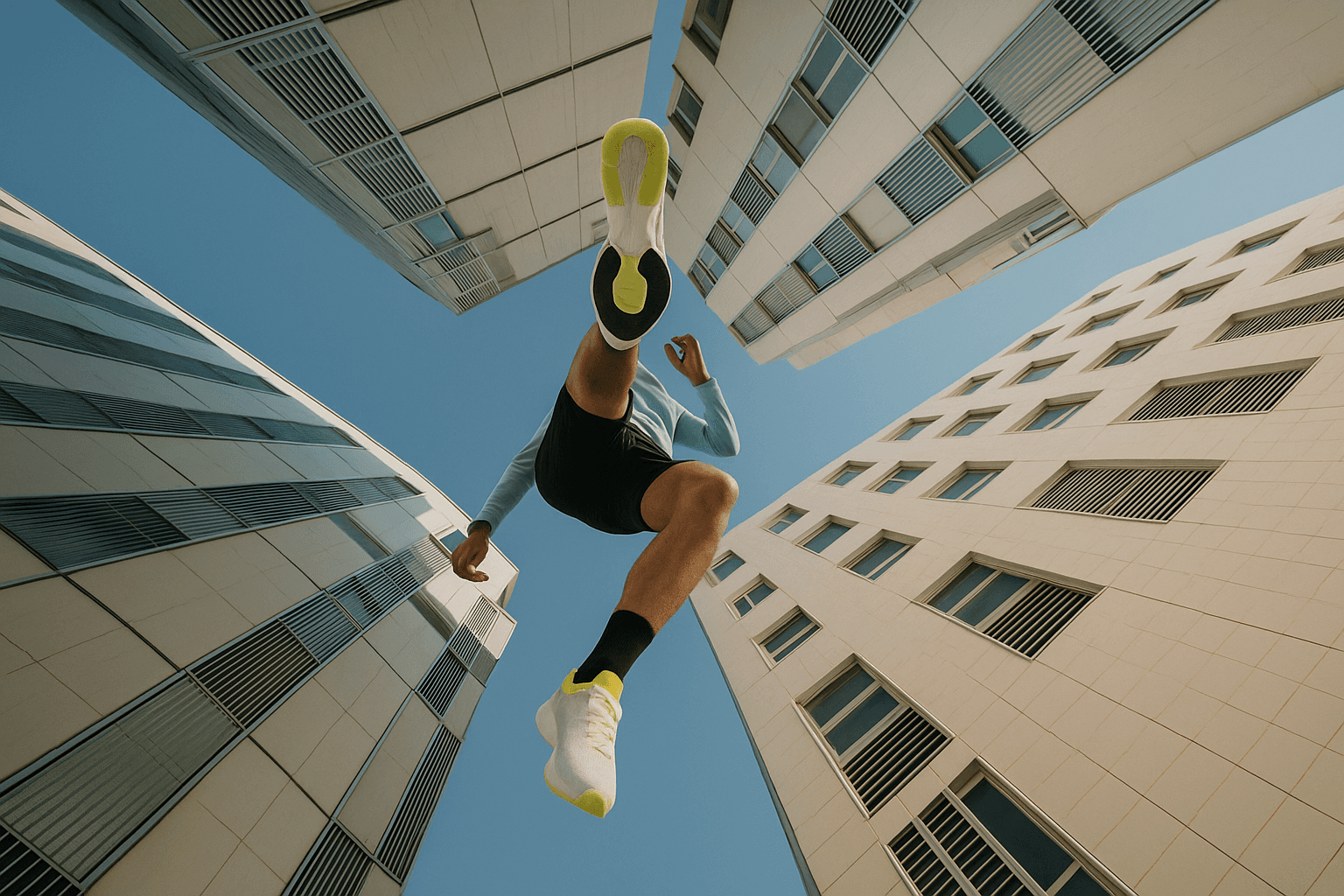
If you're training for a marathon in Toronto — whether you're logging long runs through the Don Valley, racing with a club in North York, or building your mileage along the waterfront — your feet are carrying the full weight of that effort, stride after stride. Foot care for marathon runners in Toronto is something many athletes overlook until an injury forces them to stop. At Donwood Foot and Orthotic Clinic, located at 51 Underhill Drive in North York, our chiropodists work with runners to assess foot mechanics, manage common running-related conditions, and determine whether custom orthotics or other treatments may support your training.
This guide covers the most common foot problems in marathon runners, how professional foot care works, and how to know when it's time to book an assessment.
Training for a race? Don't wait for an injury. Book a foot assessment with Donwood Foot and Orthotic Clinic and get ahead of the issues that sideline runners. 📞 (416) 445-1414 | Book an Appointment
Table of Contents
Why Marathon Runners Need Specialized Foot Care
Common Foot Problems in Marathon Runners
Running Injuries Custom Orthotics May Help Support
Plantar Fasciitis and Heel Pain in Runners
Achilles Tendon Pain, Calf Tightness, and Overuse Strain
Black Toenails, Blisters, Corns, and Calluses from Running
Flat Feet, High Arches, Overpronation, and Gait Issues
How a Running Foot Assessment Works
Custom Orthotics for Marathon Runners
Custom Orthotics vs. Running Shoe Insoles
Foot Care Before, During, and After Marathon Training
When Toronto Runners Should Book a Foot Assessment
Why Choose a Local North York Foot Clinic for Running Foot Pain
Frequently Asked Questions
Why Marathon Runners Need Specialized Foot Care
Marathon training is one of the most physically demanding activities a body can take on. By race day, a marathon runner may have logged hundreds of kilometres in training — each step placing force on the feet, ankles, knees, and hips. The cumulative load of high-mileage training blocks, tempo runs, long Sunday runs, and recovery jogs adds up quickly.
The foot is the point of first contact with the ground on every single stride. When something is slightly off — in foot alignment, gait mechanics, or footwear fit — those small inefficiencies can compound across thousands of steps into injury.
Specialized foot care for runners isn't only about treating problems after they develop. A proactive assessment before or during a training cycle can help identify risk factors, address contributing mechanics, and support comfort through the demands of race preparation. A chiropodist with experience in running injuries understands the unique pressures of sport-specific foot care and can tailor recommendations accordingly.
Common Foot Problems in Marathon Runners
Runners deal with a distinct set of foot complaints compared to the general population. The following are among the most frequently seen conditions in marathon and long-distance runners:
Plantar fasciitis — arch and heel pain caused by repetitive strain on the plantar fascia
Heel pain and heel spurs — often linked to plantar fascia loading during high-mileage training
Achilles tendon pain — ranging from tendinopathy to more acute presentations
Arch pain and metatarsalgia — forefoot discomfort common in longer runs
Shin splints — sometimes related to foot mechanics and overpronation
Knee, hip, or lower back discomfort — that may be associated with altered running mechanics
Black toenails (subungual hematoma) — from repetitive pressure against the toe box
Blisters — caused by friction, moisture, and ill-fitting footwear
Corns and calluses — thickened skin in areas of repeated pressure or friction
Ingrown toenails — particularly common in runners with improper nail care or tight footwear
Pressure points — from running shoes that don't accommodate foot shape
Any pain that is sudden, severe, worsening, or persistent should be professionally assessed rather than trained through. Continuing to run on an unassessed injury can delay recovery and increase the risk of a more significant problem.
Running Injuries Custom Orthotics May Help Support
Custom orthotics are one of the tools chiropodists use when managing biomechanical contributors to running injuries. They are not appropriate for every situation, but when a gait assessment identifies mechanical factors contributing to your pain — such as overpronation, uneven loading, or arch collapse under load — orthotics may be recommended as part of a broader treatment approach.
Running-related conditions for which orthotics are commonly considered include plantar fasciitis, heel pain, arch pain, metatarsalgia, shin splint presentations linked to foot mechanics, and discomfort in the knee or hip that may trace back to altered foot strike patterns.
An assessment is always the first step. Custom orthotics for runners are designed around your specific foot structure, running gait, training volume, and the footwear you run in — not a generic template.
→ Learn more about Custom Orthotics at Donwood Foot and Orthotic Clinic.
Plantar Fasciitis and Heel Pain in Runners
Plantar fasciitis is one of the most common running injuries seen in Toronto runners — from those completing their first half-marathon to experienced competitors training for spring races. It presents as pain in the heel or arch, typically sharp and most intense with the first steps of the morning or after periods of rest.
In runners, plantar fasciitis is often associated with a rapid increase in training volume, changes in running surface, inadequate footwear, or biomechanical factors such as overpronation or reduced ankle mobility.
Custom orthotics for plantar fasciitis are designed to support the arch and reduce strain on the plantar fascia during loading. They are commonly used alongside footwear modifications, stretching protocols, and, in some cases, shockwave therapy for persistent presentations.
Heel pain that does not improve with rest, or that worsens through a training cycle, warrants professional assessment.
→ Learn more: Plantar Fasciitis | Heel Pain | Shockwave Therapy
Achilles Tendon Pain, Calf Tightness, and Overuse Strain
Achilles tendon pain is another frequent companion of serious marathon training. The Achilles connects the calf muscles to the heel bone and is placed under significant load with every push-off during running — particularly on hills, during speed work, or when mileage increases quickly.
Achilles tendinopathy typically presents as stiffness and pain at the back of the heel or lower calf, often worse in the morning or at the start of a run. Contributing factors can include calf tightness, footwear changes, training load, and foot mechanics — particularly issues with ankle dorsiflexion or heel strike patterns.
A foot assessment that includes gait analysis may help identify whether foot and ankle mechanics are contributing to Achilles strain. In some cases, heel lifts or orthotic modifications may be part of the management approach.
Important: Achilles pain should never be ignored or trained through aggressively. Sudden or sharp Achilles pain, especially after a pop or snap, requires immediate professional attention.
Black Toenails, Blisters, Corns, and Calluses from Running
Not all running foot problems are biomechanical. The skin and nails take a significant beating over the course of marathon training, and these issues — while sometimes dismissed as minor — can have real impact on comfort and performance.
Black Toenails
Subungual hematoma, commonly known as black toenail, is caused by repetitive impact or pressure between the toe and the front of the running shoe. It's particularly common during downhill running or when shoes are too short. A chiropodist can assess the nail, relieve pressure where appropriate, and advise on footwear fit and nail care to reduce recurrence.
→ See also: Ingrown Toenails | Fungal Nails
Blisters
Blisters form when friction between the skin and sock or shoe creates a fluid-filled pocket. They are most common during long runs, in wet conditions, or when footwear is new or ill-fitting. Prevention focuses on moisture-wicking socks, appropriate shoe fit, and anti-friction products. When blisters are recurrent or become infected, professional assessment is recommended.
Corns and Calluses
Thickened skin on the toes, ball of the foot, or heel is a sign of repeated pressure or friction. While some callus formation is a normal response to running, excessive buildup or painful corns can affect gait and comfort. A chiropodist can safely debride and treat these areas and advise on whether orthotics or footwear changes may reduce the contributing pressure.
→ Learn more: Corns and Calluses
Flat Feet, High Arches, Overpronation, and Gait Issues
Foot structure plays a significant role in how force is distributed during running. Two of the most common structural presentations in runners are flat feet and high arches — each with different mechanical implications.
Flat feet and overpronation — Runners with flat feet often overpronate, meaning the ankle rolls inward excessively during the gait cycle. This can increase stress on the arch, knee, and hip. Over long training distances, the cumulative effect of overpronation may contribute to a range of injuries.
High arches and underpronation — A high-arched foot is often rigid and doesn't absorb shock as effectively. Runners with high arches may place more pressure on the heel and ball of the foot, increasing the risk of stress injuries and forefoot pain.
Shin splints — Medial tibial stress syndrome is sometimes linked to overpronation and altered foot mechanics. When foot alignment is a contributing factor, addressing it through orthotic therapy or gait retraining may be part of the management plan.
A running gait assessment in North York at Donwood Foot and Orthotic Clinic can provide a clearer picture of how your foot mechanics may be influencing your injury risk and comfort during training.
→ Book a Foot Assessment
How a Running Foot Assessment Works
A running-focused foot assessment at a chiropody clinic is more comprehensive than a basic shoe fitting. At Donwood Foot and Orthotic Clinic, a typical assessment for a runner may include:
Health and training history — your current mileage, race goals, injury history, and any current complaints
Foot structure assessment — arch type, alignment, joint mobility, and any structural concerns
Gait and biomechanical analysis — observing how your foot moves during walking and, where relevant, running
Pressure assessment — identifying areas of concentrated load during gait
Footwear review — evaluating your current running shoes and their wear patterns
Treatment discussion — based on findings, your chiropodist will outline whether custom orthotics, footwear changes, nail or skin care, or other treatments are appropriate
The findings from this assessment form the basis of any orthotic prescription or treatment plan.
→ Learn more about the Foot Assessment process.
If you are training for a marathon or dealing with running-related foot pain in Toronto, North York, Don Mills, or nearby communities, book a foot assessment with Donwood Foot and Orthotic Clinic. 📞 (416) 445-1414 | Book an Appointment
Custom Orthotics for Marathon Runners
Custom orthotics for runners are designed with the demands of high-mileage training in mind. Unlike orthotics made for everyday footwear, running orthotics are typically thinner, lighter, and constructed from materials that can handle repetitive impact across hundreds of kilometres.
A chiropodist designing orthotics for a marathon runner will consider:
Foot structure and arch type — the three-dimensional shape of your foot at rest and under load
Running gait pattern — how your foot strikes, loads, and pushes off during running
Pressure distribution — areas of elevated loading during your gait cycle
Training volume and terrain — road racing vs. trail running vs. treadmill training have different demands
Race footwear — orthotics are fitted to the specific shoes you run in
Training goals and timeline — racing season, recovery phase, and current injury status
Running orthotics can be designed to control overpronation, support the arch, redistribute pressure away from painful areas, or accommodate structural issues that affect your mechanics.
→ Custom Orthotics | Foot Assessment for Runners
Custom Orthotics vs. Running Shoe Insoles
Many runners rely on the insoles that come with their running shoes, or purchase over-the-counter running inserts from a running store. Here's how they compare to custom orthotics:
Feature | Custom Orthotics | OTC Running Insoles |
|---|---|---|
Design basis | Built from clinical assessment of your foot and gait | Standardized shape for a general foot type |
Materials | Selected for your foot type, shoe, and mileage | Pre-selected; limited by product line |
Prescription | Prescribed by a chiropodist after biomechanical assessment | No professional assessment required |
Running-specific design | Can be tailored for your race shoes, terrain, and training volume | Generic running profiles; not individualized |
Durability | Typically 2–5 years with proper care | Usually 6–12 months |
Adjustability | Can be modified based on follow-up findings | Not adjustable |
Insurance coverage | Often partially covered by extended health benefits | Rarely covered |
Cost | Higher upfront investment | Lower upfront cost |
For recreational runners with mild concerns, a quality running shoe and OTC insole may be sufficient. For those with persistent pain, biomechanical concerns, or a history of recurrent running injuries, a professional assessment and custom orthotic may offer more targeted support.
Foot Care Before, During, and After Marathon Training
Before training:
Have your foot structure and gait assessed, especially if you have a history of running injuries
Ensure your running shoes fit correctly — length, width, and heel counter support
Address any existing nail or skin concerns before high-mileage begins
During training:
Monitor any new or worsening pain — don't dismiss discomfort as normal soreness
Maintain nail length short and straight across to reduce black toenail and ingrown nail risk
Use moisture-wicking socks and appropriate sock thickness for your shoe fit
Rotate footwear to allow midsoles to recover between runs
Any sudden or worsening pain should be assessed promptly
After a race or high-mileage block:
Allow adequate recovery time before resuming full training
Have any persistent pain, skin changes, or nail damage assessed by a chiropodist
Reassess footwear and orthotics, particularly if your running volume or training surface has changed significantly
When Toronto Runners Should Book a Foot Assessment
You don't need to be injured to benefit from a professional foot assessment. Proactive assessment is particularly valuable when beginning a new training cycle or stepping up your mileage significantly.
Book a foot assessment if you are experiencing:
Heel pain that is worst first thing in the morning or after runs
Arch pain or tightness during or after running
Pain at the back of the heel or lower calf (possible Achilles involvement)
Forefoot or ball-of-foot pain on longer runs
Knee, hip, or lower back discomfort that appears to be linked to your running
Shin pain along the inner leg
Recurring blisters in the same location despite footwear changes
Painful or thickened calluses or corns
A black toenail that is painful, not resolving, or recurring
An ingrown toenail that is red, swollen, or tender
Discomfort in your current orthotics or running insoles
A history of running injuries in a previous training cycle
Seek prompt assessment if:
Pain is sudden, severe, or accompanied by swelling or bruising
You felt or heard a pop in your heel, Achilles, or ankle area
Pain is worsening despite rest
→ Book a Foot Assessment at Donwood Foot and Orthotic Clinic
Why Choose a Local North York Foot Clinic for Running Foot Pain
Access to professional foot care shouldn't require a long commute — particularly when you're deep in a training block and time is limited.
Donwood Foot and Orthotic Clinic is located at 51 Underhill Drive, Unit 4, in North York, within easy reach of Don Mills, Don Valley Village, Parkwoods, Bayview Village, Leaside, Scarborough, East York, Midtown Toronto, and the broader city. Runners from across Toronto regularly visit our clinic for gait assessments, orthotic therapy, and general chiropody care.
Our chiropodists are regulated professionals with training in biomechanics, orthotic prescription, sports foot care, and nail and skin conditions. Whether you're preparing for your first 5K or your fourth full marathon, we aim to provide thorough, individualized care that supports your goals.
When you search for a foot clinic near me or a chiropodist near me as a runner in North York or Toronto, Donwood Foot and Orthotic Clinic is here as a trusted local option.
→ About Donwood Foot and Orthotic Clinic
Ready to run stronger and more comfortably? Book a foot assessment at Donwood Foot and Orthotic Clinic, serving runners throughout North York, Don Mills, Scarborough, East York, Leaside, Bayview Village, and Toronto. 📞 (416) 445-1414 | Book an Appointment | https://donwoodfootclinic.janeapp.com/
Frequently Asked Questions
Should marathon runners see a chiropodist?
Yes — marathon training places significant and repetitive stress on the feet, and many running injuries have a biomechanical component that a chiropodist is trained to assess. Seeing a chiropodist proactively — before an injury develops — can be particularly valuable for runners entering a high-mileage training block or preparing for a goal race.
Can custom orthotics help runners?
Custom orthotics are commonly used to help manage biomechanical contributors to running injuries. When a gait and foot assessment identifies factors such as overpronation, arch collapse, or uneven pressure distribution, custom orthotics designed for your running footwear and training demands may help support more efficient mechanics and reduce strain on vulnerable structures.
Can orthotics help plantar fasciitis from running?
Orthotics are frequently used as part of the management of running-related plantar fasciitis. They may help support the arch and reduce strain on the plantar fascia during the loading phase of each stride. A chiropodist assessment is needed to determine whether orthotics are appropriate for your specific presentation. → Plantar Fasciitis
Why do I get heel pain after long runs?
Heel pain after long runs is commonly associated with plantar fasciitis, heel bursitis, or Achilles-related strain. It may be aggravated by training load, footwear, surface type, or biomechanical factors. Persistent heel pain after running should be assessed by a chiropodist to identify the contributing cause and appropriate management. → Heel Pain
What causes black toenails in runners?
Black toenails (subungual hematoma) are caused by repetitive impact between the toe and the front or top of the running shoe. Common contributing factors include running shoes that are too short, downhill running, and longer race distances. A chiropodist can assess the nail and advise on footwear fit, nail care, and prevention strategies. → Ingrown Toenails
How can runners prevent blisters?
Blister prevention focuses on reducing friction and managing moisture. Key strategies include wearing moisture-wicking running socks, ensuring shoes fit properly (with adequate toe box space), using anti-friction products on high-contact areas, and breaking in new shoes gradually. Recurring blisters in the same location may indicate a pressure or fit issue worth assessing professionally.
Do I need custom orthotics or better running shoes?
Sometimes the answer is one or the other — and sometimes both work together. A quality running shoe that fits your foot type is always the foundation. However, if you have a specific biomechanical concern, persistent injury, or a foot structure that standard running shoes don't accommodate well, custom orthotics may offer more targeted support. A gait assessment with a chiropodist can help clarify which is most appropriate for your situation.
Can orthotics help with overpronation?
Orthotics are commonly prescribed to help manage overpronation in runners. A functional orthotic can help control the inward rolling of the ankle during the gait cycle, potentially reducing strain on structures such as the arch, plantar fascia, knee, and hip. An assessment is needed to confirm whether overpronation is present and to what degree, and whether orthotics are appropriate.
Should I run with foot pain?
This depends on the type and severity of the pain. General muscle soreness is a normal part of training. However, sharp, sudden, worsening, or persistent pain — particularly in the heel, arch, Achilles, or forefoot — should be professionally assessed before continuing high-mileage training. Running through unassessed pain can delay recovery and increase the risk of a more significant injury.
Where can marathon runners get a foot assessment in North York or Toronto?
Donwood Foot and Orthotic Clinic is located at 51 Underhill Drive, Unit 4, North York, ON, and serves runners from Don Mills, Don Valley Village, Parkwoods, Bayview Village, Leaside, Scarborough, East York, Midtown Toronto, and across the city. Call (416) 445-1414 or visit https://donwoodfootclinic.janeapp.com/ to book a foot assessment.
Related reading: Shockwave Therapy for Foot Pain: How It Works, What It Feels Like, and Who It's Best For
If you're training for a marathon in Toronto — whether you're logging long runs through the Don Valley, racing with a club in North York, or building your mileage along the waterfront — your feet are carrying the full weight of that effort, stride after stride. Foot care for marathon runners in Toronto is something many athletes overlook until an injury forces them to stop. At Donwood Foot and Orthotic Clinic, located at 51 Underhill Drive in North York, our chiropodists work with runners to assess foot mechanics, manage common running-related conditions, and determine whether custom orthotics or other treatments may support your training.
This guide covers the most common foot problems in marathon runners, how professional foot care works, and how to know when it's time to book an assessment.
Training for a race? Don't wait for an injury. Book a foot assessment with Donwood Foot and Orthotic Clinic and get ahead of the issues that sideline runners. 📞 (416) 445-1414 | Book an Appointment
Table of Contents
Why Marathon Runners Need Specialized Foot Care
Common Foot Problems in Marathon Runners
Running Injuries Custom Orthotics May Help Support
Plantar Fasciitis and Heel Pain in Runners
Achilles Tendon Pain, Calf Tightness, and Overuse Strain
Black Toenails, Blisters, Corns, and Calluses from Running
Flat Feet, High Arches, Overpronation, and Gait Issues
How a Running Foot Assessment Works
Custom Orthotics for Marathon Runners
Custom Orthotics vs. Running Shoe Insoles
Foot Care Before, During, and After Marathon Training
When Toronto Runners Should Book a Foot Assessment
Why Choose a Local North York Foot Clinic for Running Foot Pain
Frequently Asked Questions
Why Marathon Runners Need Specialized Foot Care
Marathon training is one of the most physically demanding activities a body can take on. By race day, a marathon runner may have logged hundreds of kilometres in training — each step placing force on the feet, ankles, knees, and hips. The cumulative load of high-mileage training blocks, tempo runs, long Sunday runs, and recovery jogs adds up quickly.
The foot is the point of first contact with the ground on every single stride. When something is slightly off — in foot alignment, gait mechanics, or footwear fit — those small inefficiencies can compound across thousands of steps into injury.
Specialized foot care for runners isn't only about treating problems after they develop. A proactive assessment before or during a training cycle can help identify risk factors, address contributing mechanics, and support comfort through the demands of race preparation. A chiropodist with experience in running injuries understands the unique pressures of sport-specific foot care and can tailor recommendations accordingly.
Common Foot Problems in Marathon Runners
Runners deal with a distinct set of foot complaints compared to the general population. The following are among the most frequently seen conditions in marathon and long-distance runners:
Plantar fasciitis — arch and heel pain caused by repetitive strain on the plantar fascia
Heel pain and heel spurs — often linked to plantar fascia loading during high-mileage training
Achilles tendon pain — ranging from tendinopathy to more acute presentations
Arch pain and metatarsalgia — forefoot discomfort common in longer runs
Shin splints — sometimes related to foot mechanics and overpronation
Knee, hip, or lower back discomfort — that may be associated with altered running mechanics
Black toenails (subungual hematoma) — from repetitive pressure against the toe box
Blisters — caused by friction, moisture, and ill-fitting footwear
Corns and calluses — thickened skin in areas of repeated pressure or friction
Ingrown toenails — particularly common in runners with improper nail care or tight footwear
Pressure points — from running shoes that don't accommodate foot shape
Any pain that is sudden, severe, worsening, or persistent should be professionally assessed rather than trained through. Continuing to run on an unassessed injury can delay recovery and increase the risk of a more significant problem.
Running Injuries Custom Orthotics May Help Support
Custom orthotics are one of the tools chiropodists use when managing biomechanical contributors to running injuries. They are not appropriate for every situation, but when a gait assessment identifies mechanical factors contributing to your pain — such as overpronation, uneven loading, or arch collapse under load — orthotics may be recommended as part of a broader treatment approach.
Running-related conditions for which orthotics are commonly considered include plantar fasciitis, heel pain, arch pain, metatarsalgia, shin splint presentations linked to foot mechanics, and discomfort in the knee or hip that may trace back to altered foot strike patterns.
An assessment is always the first step. Custom orthotics for runners are designed around your specific foot structure, running gait, training volume, and the footwear you run in — not a generic template.
→ Learn more about Custom Orthotics at Donwood Foot and Orthotic Clinic.
Plantar Fasciitis and Heel Pain in Runners
Plantar fasciitis is one of the most common running injuries seen in Toronto runners — from those completing their first half-marathon to experienced competitors training for spring races. It presents as pain in the heel or arch, typically sharp and most intense with the first steps of the morning or after periods of rest.
In runners, plantar fasciitis is often associated with a rapid increase in training volume, changes in running surface, inadequate footwear, or biomechanical factors such as overpronation or reduced ankle mobility.
Custom orthotics for plantar fasciitis are designed to support the arch and reduce strain on the plantar fascia during loading. They are commonly used alongside footwear modifications, stretching protocols, and, in some cases, shockwave therapy for persistent presentations.
Heel pain that does not improve with rest, or that worsens through a training cycle, warrants professional assessment.
→ Learn more: Plantar Fasciitis | Heel Pain | Shockwave Therapy
Achilles Tendon Pain, Calf Tightness, and Overuse Strain
Achilles tendon pain is another frequent companion of serious marathon training. The Achilles connects the calf muscles to the heel bone and is placed under significant load with every push-off during running — particularly on hills, during speed work, or when mileage increases quickly.
Achilles tendinopathy typically presents as stiffness and pain at the back of the heel or lower calf, often worse in the morning or at the start of a run. Contributing factors can include calf tightness, footwear changes, training load, and foot mechanics — particularly issues with ankle dorsiflexion or heel strike patterns.
A foot assessment that includes gait analysis may help identify whether foot and ankle mechanics are contributing to Achilles strain. In some cases, heel lifts or orthotic modifications may be part of the management approach.
Important: Achilles pain should never be ignored or trained through aggressively. Sudden or sharp Achilles pain, especially after a pop or snap, requires immediate professional attention.
Black Toenails, Blisters, Corns, and Calluses from Running
Not all running foot problems are biomechanical. The skin and nails take a significant beating over the course of marathon training, and these issues — while sometimes dismissed as minor — can have real impact on comfort and performance.
Black Toenails
Subungual hematoma, commonly known as black toenail, is caused by repetitive impact or pressure between the toe and the front of the running shoe. It's particularly common during downhill running or when shoes are too short. A chiropodist can assess the nail, relieve pressure where appropriate, and advise on footwear fit and nail care to reduce recurrence.
→ See also: Ingrown Toenails | Fungal Nails
Blisters
Blisters form when friction between the skin and sock or shoe creates a fluid-filled pocket. They are most common during long runs, in wet conditions, or when footwear is new or ill-fitting. Prevention focuses on moisture-wicking socks, appropriate shoe fit, and anti-friction products. When blisters are recurrent or become infected, professional assessment is recommended.
Corns and Calluses
Thickened skin on the toes, ball of the foot, or heel is a sign of repeated pressure or friction. While some callus formation is a normal response to running, excessive buildup or painful corns can affect gait and comfort. A chiropodist can safely debride and treat these areas and advise on whether orthotics or footwear changes may reduce the contributing pressure.
→ Learn more: Corns and Calluses
Flat Feet, High Arches, Overpronation, and Gait Issues
Foot structure plays a significant role in how force is distributed during running. Two of the most common structural presentations in runners are flat feet and high arches — each with different mechanical implications.
Flat feet and overpronation — Runners with flat feet often overpronate, meaning the ankle rolls inward excessively during the gait cycle. This can increase stress on the arch, knee, and hip. Over long training distances, the cumulative effect of overpronation may contribute to a range of injuries.
High arches and underpronation — A high-arched foot is often rigid and doesn't absorb shock as effectively. Runners with high arches may place more pressure on the heel and ball of the foot, increasing the risk of stress injuries and forefoot pain.
Shin splints — Medial tibial stress syndrome is sometimes linked to overpronation and altered foot mechanics. When foot alignment is a contributing factor, addressing it through orthotic therapy or gait retraining may be part of the management plan.
A running gait assessment in North York at Donwood Foot and Orthotic Clinic can provide a clearer picture of how your foot mechanics may be influencing your injury risk and comfort during training.
→ Book a Foot Assessment
How a Running Foot Assessment Works
A running-focused foot assessment at a chiropody clinic is more comprehensive than a basic shoe fitting. At Donwood Foot and Orthotic Clinic, a typical assessment for a runner may include:
Health and training history — your current mileage, race goals, injury history, and any current complaints
Foot structure assessment — arch type, alignment, joint mobility, and any structural concerns
Gait and biomechanical analysis — observing how your foot moves during walking and, where relevant, running
Pressure assessment — identifying areas of concentrated load during gait
Footwear review — evaluating your current running shoes and their wear patterns
Treatment discussion — based on findings, your chiropodist will outline whether custom orthotics, footwear changes, nail or skin care, or other treatments are appropriate
The findings from this assessment form the basis of any orthotic prescription or treatment plan.
→ Learn more about the Foot Assessment process.
If you are training for a marathon or dealing with running-related foot pain in Toronto, North York, Don Mills, or nearby communities, book a foot assessment with Donwood Foot and Orthotic Clinic. 📞 (416) 445-1414 | Book an Appointment
Custom Orthotics for Marathon Runners
Custom orthotics for runners are designed with the demands of high-mileage training in mind. Unlike orthotics made for everyday footwear, running orthotics are typically thinner, lighter, and constructed from materials that can handle repetitive impact across hundreds of kilometres.
A chiropodist designing orthotics for a marathon runner will consider:
Foot structure and arch type — the three-dimensional shape of your foot at rest and under load
Running gait pattern — how your foot strikes, loads, and pushes off during running
Pressure distribution — areas of elevated loading during your gait cycle
Training volume and terrain — road racing vs. trail running vs. treadmill training have different demands
Race footwear — orthotics are fitted to the specific shoes you run in
Training goals and timeline — racing season, recovery phase, and current injury status
Running orthotics can be designed to control overpronation, support the arch, redistribute pressure away from painful areas, or accommodate structural issues that affect your mechanics.
→ Custom Orthotics | Foot Assessment for Runners
Custom Orthotics vs. Running Shoe Insoles
Many runners rely on the insoles that come with their running shoes, or purchase over-the-counter running inserts from a running store. Here's how they compare to custom orthotics:
Feature | Custom Orthotics | OTC Running Insoles |
|---|---|---|
Design basis | Built from clinical assessment of your foot and gait | Standardized shape for a general foot type |
Materials | Selected for your foot type, shoe, and mileage | Pre-selected; limited by product line |
Prescription | Prescribed by a chiropodist after biomechanical assessment | No professional assessment required |
Running-specific design | Can be tailored for your race shoes, terrain, and training volume | Generic running profiles; not individualized |
Durability | Typically 2–5 years with proper care | Usually 6–12 months |
Adjustability | Can be modified based on follow-up findings | Not adjustable |
Insurance coverage | Often partially covered by extended health benefits | Rarely covered |
Cost | Higher upfront investment | Lower upfront cost |
For recreational runners with mild concerns, a quality running shoe and OTC insole may be sufficient. For those with persistent pain, biomechanical concerns, or a history of recurrent running injuries, a professional assessment and custom orthotic may offer more targeted support.
Foot Care Before, During, and After Marathon Training
Before training:
Have your foot structure and gait assessed, especially if you have a history of running injuries
Ensure your running shoes fit correctly — length, width, and heel counter support
Address any existing nail or skin concerns before high-mileage begins
During training:
Monitor any new or worsening pain — don't dismiss discomfort as normal soreness
Maintain nail length short and straight across to reduce black toenail and ingrown nail risk
Use moisture-wicking socks and appropriate sock thickness for your shoe fit
Rotate footwear to allow midsoles to recover between runs
Any sudden or worsening pain should be assessed promptly
After a race or high-mileage block:
Allow adequate recovery time before resuming full training
Have any persistent pain, skin changes, or nail damage assessed by a chiropodist
Reassess footwear and orthotics, particularly if your running volume or training surface has changed significantly
When Toronto Runners Should Book a Foot Assessment
You don't need to be injured to benefit from a professional foot assessment. Proactive assessment is particularly valuable when beginning a new training cycle or stepping up your mileage significantly.
Book a foot assessment if you are experiencing:
Heel pain that is worst first thing in the morning or after runs
Arch pain or tightness during or after running
Pain at the back of the heel or lower calf (possible Achilles involvement)
Forefoot or ball-of-foot pain on longer runs
Knee, hip, or lower back discomfort that appears to be linked to your running
Shin pain along the inner leg
Recurring blisters in the same location despite footwear changes
Painful or thickened calluses or corns
A black toenail that is painful, not resolving, or recurring
An ingrown toenail that is red, swollen, or tender
Discomfort in your current orthotics or running insoles
A history of running injuries in a previous training cycle
Seek prompt assessment if:
Pain is sudden, severe, or accompanied by swelling or bruising
You felt or heard a pop in your heel, Achilles, or ankle area
Pain is worsening despite rest
→ Book a Foot Assessment at Donwood Foot and Orthotic Clinic
Why Choose a Local North York Foot Clinic for Running Foot Pain
Access to professional foot care shouldn't require a long commute — particularly when you're deep in a training block and time is limited.
Donwood Foot and Orthotic Clinic is located at 51 Underhill Drive, Unit 4, in North York, within easy reach of Don Mills, Don Valley Village, Parkwoods, Bayview Village, Leaside, Scarborough, East York, Midtown Toronto, and the broader city. Runners from across Toronto regularly visit our clinic for gait assessments, orthotic therapy, and general chiropody care.
Our chiropodists are regulated professionals with training in biomechanics, orthotic prescription, sports foot care, and nail and skin conditions. Whether you're preparing for your first 5K or your fourth full marathon, we aim to provide thorough, individualized care that supports your goals.
When you search for a foot clinic near me or a chiropodist near me as a runner in North York or Toronto, Donwood Foot and Orthotic Clinic is here as a trusted local option.
→ About Donwood Foot and Orthotic Clinic
Ready to run stronger and more comfortably? Book a foot assessment at Donwood Foot and Orthotic Clinic, serving runners throughout North York, Don Mills, Scarborough, East York, Leaside, Bayview Village, and Toronto. 📞 (416) 445-1414 | Book an Appointment | https://donwoodfootclinic.janeapp.com/
Frequently Asked Questions
Should marathon runners see a chiropodist?
Yes — marathon training places significant and repetitive stress on the feet, and many running injuries have a biomechanical component that a chiropodist is trained to assess. Seeing a chiropodist proactively — before an injury develops — can be particularly valuable for runners entering a high-mileage training block or preparing for a goal race.
Can custom orthotics help runners?
Custom orthotics are commonly used to help manage biomechanical contributors to running injuries. When a gait and foot assessment identifies factors such as overpronation, arch collapse, or uneven pressure distribution, custom orthotics designed for your running footwear and training demands may help support more efficient mechanics and reduce strain on vulnerable structures.
Can orthotics help plantar fasciitis from running?
Orthotics are frequently used as part of the management of running-related plantar fasciitis. They may help support the arch and reduce strain on the plantar fascia during the loading phase of each stride. A chiropodist assessment is needed to determine whether orthotics are appropriate for your specific presentation. → Plantar Fasciitis
Why do I get heel pain after long runs?
Heel pain after long runs is commonly associated with plantar fasciitis, heel bursitis, or Achilles-related strain. It may be aggravated by training load, footwear, surface type, or biomechanical factors. Persistent heel pain after running should be assessed by a chiropodist to identify the contributing cause and appropriate management. → Heel Pain
What causes black toenails in runners?
Black toenails (subungual hematoma) are caused by repetitive impact between the toe and the front or top of the running shoe. Common contributing factors include running shoes that are too short, downhill running, and longer race distances. A chiropodist can assess the nail and advise on footwear fit, nail care, and prevention strategies. → Ingrown Toenails
How can runners prevent blisters?
Blister prevention focuses on reducing friction and managing moisture. Key strategies include wearing moisture-wicking running socks, ensuring shoes fit properly (with adequate toe box space), using anti-friction products on high-contact areas, and breaking in new shoes gradually. Recurring blisters in the same location may indicate a pressure or fit issue worth assessing professionally.
Do I need custom orthotics or better running shoes?
Sometimes the answer is one or the other — and sometimes both work together. A quality running shoe that fits your foot type is always the foundation. However, if you have a specific biomechanical concern, persistent injury, or a foot structure that standard running shoes don't accommodate well, custom orthotics may offer more targeted support. A gait assessment with a chiropodist can help clarify which is most appropriate for your situation.
Can orthotics help with overpronation?
Orthotics are commonly prescribed to help manage overpronation in runners. A functional orthotic can help control the inward rolling of the ankle during the gait cycle, potentially reducing strain on structures such as the arch, plantar fascia, knee, and hip. An assessment is needed to confirm whether overpronation is present and to what degree, and whether orthotics are appropriate.
Should I run with foot pain?
This depends on the type and severity of the pain. General muscle soreness is a normal part of training. However, sharp, sudden, worsening, or persistent pain — particularly in the heel, arch, Achilles, or forefoot — should be professionally assessed before continuing high-mileage training. Running through unassessed pain can delay recovery and increase the risk of a more significant injury.
Where can marathon runners get a foot assessment in North York or Toronto?
Donwood Foot and Orthotic Clinic is located at 51 Underhill Drive, Unit 4, North York, ON, and serves runners from Don Mills, Don Valley Village, Parkwoods, Bayview Village, Leaside, Scarborough, East York, Midtown Toronto, and across the city. Call (416) 445-1414 or visit https://donwoodfootclinic.janeapp.com/ to book a foot assessment.
Related reading: Shockwave Therapy for Foot Pain: How It Works, What It Feels Like, and Who It's Best For
Chiropodist Foot Care Serving North York and East Toronto
Donwood Foot and Orthotic Clinic — 51 Underhill Dr., Unit 4, North York, ON M3A 2J8 · (416) 445-1414. Our Chiropodists provide foot assessments, custom orthotics, diabetic foot care, and medical foot care for patients from Don Mills, Parkwoods, Victoria Village, Leaside, Bayview Village, York Mills, Lawrence Park, Willowdale, Flemingdon Park, Henry Farm, Don Valley Village, East York, and across Toronto. Extended benefits accepted, with direct billing available for most major insurance providers. Book online any time at donwoodfootclinic.janeapp.com.
©2026 - Donwood Foot & Orthotics Clinic
Terms of Use
Created by
Clearmattr
©2026 - Donwood Foot & Orthotics Clinic
Terms of Use
Created by
Clearmattr
©2026 - Donwood Foot & Orthotics Clinic
Terms of Use
Created by
Clearmattr