
Trail Running the Don Valley: Foot Care for Crothers Woods and Toronto's Ravine Runners
Trail Running the Don Valley: Foot Care for Crothers Woods and Toronto's Ravine Runners
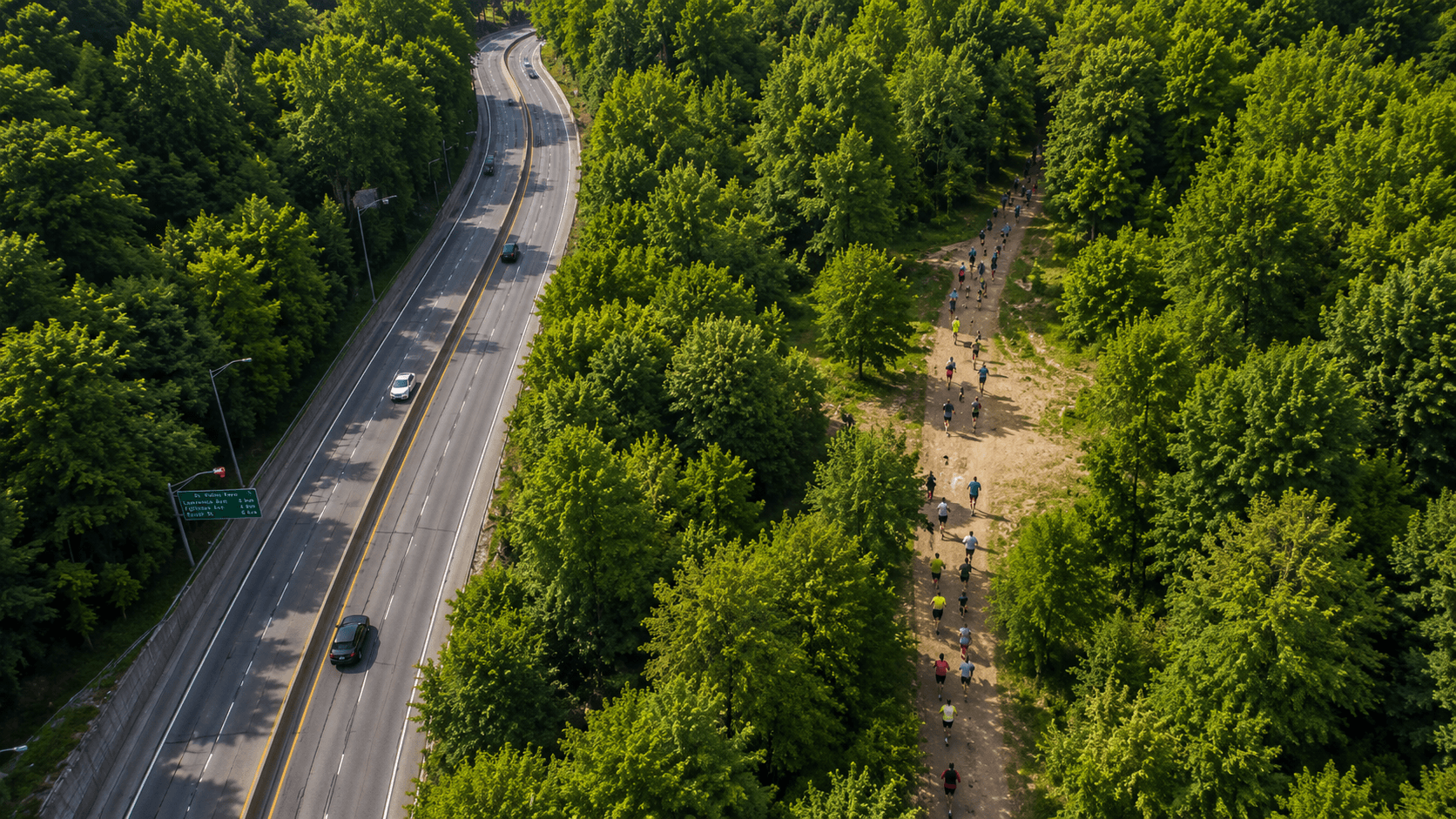
Toronto hides a genuine trail network in its ravines — Crothers Woods singletrack, the Don Valley's wooded paths, Sunnybrook and Taylor Creek connections — and every fall more road runners discover it. Trail running is a gift for bored legs and a new set of demands for feet: roots, rocks, off-camber mud, and constant micro-adjustments that road running never asks for. At Donwood Foot and Orthotic Clinic, sitting practically beside the Don Valley trail system at 51 Underhill Drive in North York, our Chiropodists know these trails and the feet that run them.
How Is Trail Running Different for Your Feet?
Trails replace repetition with unpredictability — easier on overuse patterns, harder on stability structures. Every stride lands slightly differently, which spreads load beautifully but demands more from the ankle stabilizers, the toes, and the foot's small intrinsic muscles. Trail-specific patterns include:
Ankle rolls and near-misses on roots and off-camber ground
Toe-stubbing and nail trauma — downhill braking drives toes into the shoe (ingrown toenails)
Blisters in new places as the foot slides laterally inside the shoe
Grit and moisture — wet ravine trails soften skin and invite athlete's foot
First-time forefoot soreness from more textured, flexible trail shoes
What Should Road Runners Change When They Hit the Ravines?
Shorten your stride, size your expectations down, and look at your footwear honestly. Road shoes with worn outsoles are genuinely risky on wet clay descents in Crothers Woods; a trail shoe adds grip and a reinforced toe bumper. Lace with a runner's loop to lock the heel so toes stop hitting the front on descents. And build trail volume gradually — the stabilizing tissues need weeks, not days, to catch up with your road fitness.
How Can a Chiropodist Help Trail Runners?
A Chiropodist can address the nail trauma, skin issues, and mechanical complaints trail running surfaces — and check whether your feet are suited to the demands you are adding. That may include treating damaged or ingrown nails, managing calluses, and assessing gait and stability. Where mechanics contribute — flexible flat feet that tire on technical ground, or rigid high arches that hate uneven landings — custom orthotics built for trail shoes may be part of the answer. Book a foot assessment; we are minutes from the trailheads used by runners from Leaside, East York, and Don Mills.
Frequently Asked Questions
Do I really need trail shoes for the Don Valley?
For the paved Lower Don path, no. For Crothers Woods singletrack and wet ravine trails, yes — the grip and toe protection meaningfully reduce slips and nail trauma. Fit matters as much as tread: your heel should lock so toes never touch the front on descents.
Why do my toenails hurt after downhill running?
Downhill braking slides the foot forward, pressing toes into the shoe with every step. Persistent soreness, dark nails, or lifting nails deserve treatment — and usually a fit or lacing fix to stop the cycle.
Are weak ankles a reason to avoid trails?
Usually the opposite — gradual trail exposure is one way stability improves. But recurring ankle rolls are worth assessing first; foot structure and footwear both influence how stable you are on uneven ground.
Where can trail runners get foot care near the Don Valley?
Donwood Foot and Orthotic Clinic is at 51 Underhill Drive, Unit 4, North York — effectively next door to the Don Valley trail network.
Ravine season is here. Book a foot assessment with a Chiropodist at Donwood Foot and Orthotic Clinic before the trails get technical. 📞 (416) 445-1414 | Book an Appointment
Related reading: Foot Care for Marathon Runners in Toronto
Toronto hides a genuine trail network in its ravines — Crothers Woods singletrack, the Don Valley's wooded paths, Sunnybrook and Taylor Creek connections — and every fall more road runners discover it. Trail running is a gift for bored legs and a new set of demands for feet: roots, rocks, off-camber mud, and constant micro-adjustments that road running never asks for. At Donwood Foot and Orthotic Clinic, sitting practically beside the Don Valley trail system at 51 Underhill Drive in North York, our Chiropodists know these trails and the feet that run them.
How Is Trail Running Different for Your Feet?
Trails replace repetition with unpredictability — easier on overuse patterns, harder on stability structures. Every stride lands slightly differently, which spreads load beautifully but demands more from the ankle stabilizers, the toes, and the foot's small intrinsic muscles. Trail-specific patterns include:
Ankle rolls and near-misses on roots and off-camber ground
Toe-stubbing and nail trauma — downhill braking drives toes into the shoe (ingrown toenails)
Blisters in new places as the foot slides laterally inside the shoe
Grit and moisture — wet ravine trails soften skin and invite athlete's foot
First-time forefoot soreness from more textured, flexible trail shoes
What Should Road Runners Change When They Hit the Ravines?
Shorten your stride, size your expectations down, and look at your footwear honestly. Road shoes with worn outsoles are genuinely risky on wet clay descents in Crothers Woods; a trail shoe adds grip and a reinforced toe bumper. Lace with a runner's loop to lock the heel so toes stop hitting the front on descents. And build trail volume gradually — the stabilizing tissues need weeks, not days, to catch up with your road fitness.
How Can a Chiropodist Help Trail Runners?
A Chiropodist can address the nail trauma, skin issues, and mechanical complaints trail running surfaces — and check whether your feet are suited to the demands you are adding. That may include treating damaged or ingrown nails, managing calluses, and assessing gait and stability. Where mechanics contribute — flexible flat feet that tire on technical ground, or rigid high arches that hate uneven landings — custom orthotics built for trail shoes may be part of the answer. Book a foot assessment; we are minutes from the trailheads used by runners from Leaside, East York, and Don Mills.
Frequently Asked Questions
Do I really need trail shoes for the Don Valley?
For the paved Lower Don path, no. For Crothers Woods singletrack and wet ravine trails, yes — the grip and toe protection meaningfully reduce slips and nail trauma. Fit matters as much as tread: your heel should lock so toes never touch the front on descents.
Why do my toenails hurt after downhill running?
Downhill braking slides the foot forward, pressing toes into the shoe with every step. Persistent soreness, dark nails, or lifting nails deserve treatment — and usually a fit or lacing fix to stop the cycle.
Are weak ankles a reason to avoid trails?
Usually the opposite — gradual trail exposure is one way stability improves. But recurring ankle rolls are worth assessing first; foot structure and footwear both influence how stable you are on uneven ground.
Where can trail runners get foot care near the Don Valley?
Donwood Foot and Orthotic Clinic is at 51 Underhill Drive, Unit 4, North York — effectively next door to the Don Valley trail network.
Ravine season is here. Book a foot assessment with a Chiropodist at Donwood Foot and Orthotic Clinic before the trails get technical. 📞 (416) 445-1414 | Book an Appointment
Related reading: Foot Care for Marathon Runners in Toronto
Chiropodist Foot Care Serving North York and East Toronto
Donwood Foot and Orthotic Clinic — 51 Underhill Dr., Unit 4, North York, ON M3A 2J8 · (416) 445-1414. Our Chiropodists provide foot assessments, custom orthotics, diabetic foot care, and medical foot care for patients from Don Mills, Parkwoods, Victoria Village, Leaside, Bayview Village, York Mills, Lawrence Park, Willowdale, Flemingdon Park, Henry Farm, Don Valley Village, East York, and across Toronto. Extended benefits accepted, with direct billing available for most major insurance providers. Book online any time at donwoodfootclinic.janeapp.com.
©2026 - Donwood Foot & Orthotics Clinic
Terms of Use
Created by
Clearmattr
©2026 - Donwood Foot & Orthotics Clinic
Terms of Use
Created by
Clearmattr
©2026 - Donwood Foot & Orthotics Clinic
Terms of Use
Created by
Clearmattr